Building Information Modelling (BIM) has reached an important point of maturity.
The industry is moving beyond the view of BIM as a design tool or software application. Its wider value lies in the structured management of information throughout the life of an asset, from planning and design through construction, commissioning, operations, maintenance and renewal.
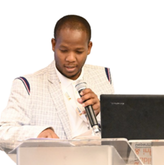
This shift was central to the 2026 BIM Conference. Delegates repeatedly returned to the principle that BIM is a process for better information management rather than a digital model produced during design or construction. Discussions highlighted the importance of client leadership, clearly defined information requirements, interoperable systems and reliable data handover if BIM is to deliver lasting operational value.
The 10th Annual BIM Conference will build on this progress by examining how information can be treated as a strategic asset across infrastructure and the built environment.
The conference will bring together public-sector infrastructure owners, consultants, contractors, engineers, architects, project managers, facility managers, technology providers and academic specialists. The discussion will focus on the practical conditions required for successful information management across the asset lifecycle.
The programme will move beyond general BIM adoption and software demonstrations. It will address implementation, client requirements, standards, procurement, information exchange, digital engineering capability and the operational use of asset data.
Particular attention will be given to roads, bridges, transport infrastructure, urban systems, public facilities, sanitation projects and other civil infrastructure assets. This responds directly to delegate requests for broader sector representation and more examples outside conventional building projects.
Government departments and public infrastructure authorities.
State-owned entities and municipal infrastructure owners.
Architects and architectural technologists.
Civil, structural, mechanical and electrical engineers.
Contractors and construction managers.
Project and programme managers.
Quantity surveyors and cost consultants.
Facility and asset managers.
Transport planners and infrastructure specialists.
Roads, bridges and civil infrastructure professionals.
Urban planners and geographic information system specialists.
BIM managers, coordinators and information managers.
Digital engineering specialists.
Common data environment administrators.
Software developers, vendors and systems integrators.
Procurement and supply chain professionals.
Construction law and contract specialists.
Health and safety professionals.
Academic researchers and students.
Professional councils and industry associations.
Infrastructure investors and development institutions.
Consulting engineers.
Property developers and major asset owners.
Gain a clearer understanding of BIM as an information management process.
Learn how information requirements should be defined before project delivery begins.
Explore practical approaches to applying ISO 19650 and SANS 19650.
Understand how poor information management affects project delivery, handover and asset operations.
Learn from case studies across buildings, roads, transport and civil infrastructure.
Examine how digital models and asset information can support facilities management.
Explore practical applications of digital twins, artificial intelligence and geographic information systems.
Understand the responsibilities of clients, consultants, contractors and operators within information management workflows.
Examine procurement, contractual and cost issues associated with BIM delivery.
Engage directly with public-sector infrastructure owners and industry practitioners.
Identify the skills and organisational capabilities needed for digital engineering.
Build professional relationships across the infrastructure information management ecosystem.
Gain insight into standards development and future industry direction.
Participate in discussions focused on real implementation challenges.
We promote and create opportunities for professionalism in the
development and management of sustainable energy. We create a total
continuous learning experience for delegates. We serve!
Position information as a strategic asset within infrastructure and built environment delivery.
Examine the transition from BIM implementation to lifecycle information management.
Strengthen understanding of ISO 19650, SANS 19650 and related information requirements.
Explore the role of clients and asset owners in defining information requirements.
Improve collaboration between designers, contractors, operators and facility managers.
Examine how project information can support operational readiness and long-term asset performance.
Share practical case studies from buildings, roads, bridges, transport infrastructure and public facilities.
Explore the relationship between BIM, digital engineering, geographic information systems and digital twins.
Address information security, cyber risk and governance within connected asset environments.
Examine the use of artificial intelligence in design, construction and asset management workflows.
Explore procurement, contracting, scope and cost considerations associated with BIM delivery.
Support skills development and professional capability across the digital engineering value chain.
Encourage greater participation by government departments, municipalities, state-owned entities and infrastructure clients.
Promote open standards, interoperability and reliable information exchange.

Thuthuka K.B. Mbhele
Director Projects | Department of Public Works & Infrastructure

Fabio Companie
City of Cape Town

Associate CAD Technician | SLR Consulting

AEC Technical – Sales Manager | Modena AEC / INFRA

Research Specialist | cidb

Senior Lecturer | University of Johannesburg

Author

Principal Draughtsperson Bridges & Buildings | Naidu Consulting

Design Technology Specialist (Coord)| Modena AEC & Infra

Project Manager | Hilti (South Africa) (Pty) Ltd.

Chief Professional Surveyor | Department of Land Reform & Rural Development

Deputy Director | University of Johannesburg, Sustainable Human Settlement Construction Research Centre

Candidate Engineer| SANRAL

City Of Cape Town
0700 Registration and networking
0845 Opening remarks from the chairperson
0900 Thabang Ramatsosa | AEC Technical – Sales Manager | Modena AEC / INFRA
Topic: Digital Transformation in the AI-Driven AEC Landscape: From BIM to Intelligent Information Management
0935 Dr Khululekani Ntakana | Senior Lecturer | University of Johannesburg
Topic: Piloting BIM in Human Settlement Development in the South African context
1010 Networking tea break
1040 Rowan Paul | Principal Draughtsperson Bridges & Buildings | Naidu Consulting
Topic: BIM & Information Management
1115 Sakhumzi Tima | Associate CAD Technician | SLR Consulting
Topic: How OpenBIM can be used to ensure data reliability and consistency.
1150 Joe Amadi-Echendu | Author
Topic: BIM within a Digital Engineering Framework
1225 Evans Nkomo | Candidate Engineer | SANRAL
Topic: Bridging COTO/TMH Standards and ISO 19650: Defining Information Requirements for Road Infrastructure
1300 Networking Lunch
1400 Panel Session
1500 Closing Remarks from Chairperson
1515 Networking Tea Break: End of Conference
0700 Registration and networking
0845 Opening remarks from the chairperson
0900 Bhaveshan Naidoo | Design Technology Specialist (Coord)| Modena AEC & Infra
Topic: TBC
0940 Nozipho Madlala | Chief Professional Surveyor | Department of Land Reform & Rural Development
Topic: Beyond BIM: South Africa’s National Geospatial Datasets for Smarter Infrastructure Development
1010 Networking tea break
1040 Murendeni Liphadzi | Deputy Director | University of Johannesburg, Sustainable Human Settlement Construction Research Centre
Topic: TBC
1115 Zama Thusi | Research Specialist | cidb
Topic: Topic: From BIM Strategy to Implementation: Building the Foundations for Digital Transformation in South Africa’s Construction Industry
1150 Demetri Mavrikis | Project Manager | Hilti (South Africa) (Pty) Ltd.
Topic: BIM is Uncomfortable – It highlights the knowledge gaps (A supplier’s journey)
1225 Fabio Companie | City Of Cape Town
Topic: TBC
1300 Networking Lunch
1400 Panel Session
1500 Closing Remarks from Chairperson
1515 Networking Tea Break: End of Conference
Cost per person
NB: Price is in South African Rand. Price displayed excludes VAT.